How to Publish a Children's Book?
Table of Contents
- Introduction
- Why Children's Books Remain a Powerful Market in the UK
- Choose the Right Type of Children's Book Before You Publish
- How to Publish a Children's Book Step by Step
- Why Work with a Professional Children's Book Publisher Support Team
- Why Authors Choose Savvy Book Marketing UK
- Final Thoughts
Writing a story for children is a rewarding creative journey. Whether you have created a charming bedtime tale, an educational picture book or an exciting chapter-book adventure, the next step is often the most important one: learning how to publish a children's book successfully. Many aspiring authors have wonderful ideas, yet they feel uncertain about what comes next.
The truth is that publishing a children's title involves much more than simply writing a manuscript. You need to understand your target age group, polish the story, create appealing visuals, choose the right publishing route and market the book effectively. Fortunately, once you understand the process, each stage becomes far easier to manage.
Today, authors have more opportunities than ever before. Traditional publishers, self-publishing platforms, hybrid services and online book retailers have opened doors for writers across the country. As a result, talented storytellers no longer need to wait years for a chance to share their books with readers.
However, children's publishing is a specialist market. Parents, teachers, librarians and gift buyers all influence purchasing decisions. Therefore, quality matters at every level from storytelling and design to printing and promotion.
At Savvy Book Marketing UK, we help authors transform creative ideas into professionally published books. From editing and illustration to publishing and marketing, our team supports writers through every step of the journey. If you are serious about publishing children's books, this blog will show you how to do it properly.
Why Children's Books Remain a Powerful Market in the UK

Children's books continue to perform strongly in the British publishing industry. Families regularly buy books for birthdays, Christmas, school reading and everyday enjoyment. Because of this steady demand, new authors still have real opportunities to enter the market.
In addition, reading remains central to childhood development. Parents often look for books that improve vocabulary, imagination, confidence and emotional awareness. Consequently, books that entertain while teaching valuable lessons often attract strong interest.
Schools and libraries also play a major role. Reading programmes, book fairs, author visits and classroom recommendations all help children discover new stories. Therefore, a well-produced title can reach audiences beyond standard retail channels.
Another reason the market remains strong is variety. Picture books, early readers, chapter books, middle-grade fiction and educational titles all serve different age groups. This means writers can target a niche that matches their skills and ideas.
If you plan to publish a children's book, the UK market offers encouraging possibilities. With the right approach, your story can become both meaningful and commercially successful.
Choose the Right Type of Children's Book Before You Publish.
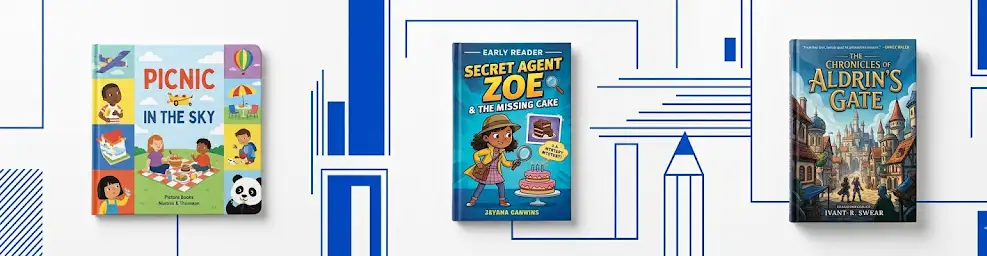
Before you move into production, decide what kind of book you want to create. This choice shapes your writing style, page count, design needs and marketing strategy.
Picture books are ideal for younger children, usually aged three to seven. These books combine simple text with strong illustrations. Every sentence needs purpose, rhythm and clarity. If your story relies on visual storytelling, this format may suit you perfectly.
Early readers and chapter books target children who are starting to read independently. These books often use shorter chapters, accessible vocabulary and engaging plots. They are popular for mysteries, humour and adventure series.
Middle-grade books are aimed at readers roughly aged eight to twelve. They include longer narratives, richer character development and more layered themes. Fantasy, school stories and friendship dramas often thrive in this category.
Non-fiction children's books are another strong option. Topics such as animals, science, emotions, crafts or history can perform very well. When publishing children's books UK, selecting the correct category gives your book a stronger chance of success.
How to Write a Story Children Will Love
A successful children's book captures attention quickly and keeps readers engaged until the final page. Because children respond honestly, weak stories rarely hold their interest for long.
Start with a memorable idea. Ask yourself what makes your story exciting or meaningful. Perhaps you have a funny character, a magical world or a message about kindness and courage. Your central concept should feel fresh and easy to understand.
Next, write for the child rather than the adult buyer. Although parents purchase many books, children connect with stories that feel fun, relatable and emotionally honest. Therefore, focus on the reader's experience first.
Keep the pace lively. Children appreciate movement, curiosity, humour and clear stakes. If the story drags, they may lose interest. For this reason, every page should add energy, development or surprise.
Finally, read the manuscript aloud. Children's books need strong rhythm and natural language. If a sentence feels awkward when spoken, improve it. When you want to publish a children's book, smooth storytelling matters enormously.
Why Professional Editing Is Essential for Children's Publishing
Even excellent writers need editors. In fact, editing is one of the smartest investments an author can make before publication.
Developmental editing improves the overall story. It looks at structure, pacing, age suitability, character development and clarity. If your plot feels confusing or slow, a developmental editor can strengthen it.
Copyediting then focuses on sentence-level detail. Grammar, punctuation, spelling, consistency and readability all matter. Since children are learning language as they read, accuracy is especially important.
Proofreading is the final stage. It catches remaining mistakes before printing or digital release. Even a few visible errors can reduce trust among parents, teachers and reviewers.
At Savvy Book Marketing UK, we help writers refine manuscripts to a professional standard. If you want to compete with any respected children's book publisher, editing should never be skipped.
The Power of Illustration in Children's Books
Illustrations often play a decisive role in children's publishing. In many cases, the artwork attracts attention before the text is even read.
Great illustrations bring characters to life. They help children understand emotion, movement and setting instantly. A warm expression, funny scene or magical landscape can make a book unforgettable.
Consistency matters greatly. Characters should remain visually recognisable from page to page. In addition, the art style should match the tone of the story. A bedtime tale needs a softer mood than a comic jungle chase.
Page layout is equally important. Text must be easy to read and illustrations should guide the eye naturally. Overcrowded pages can feel overwhelming, while a balanced design improves engagement.
If you are ready to publish a children's book, professional illustration can significantly improve the reader experience and your sales potential.
Traditional Publishing or Self-Publishing: Which Is Best?
One of the biggest decisions authors face is choosing between traditional publishing and self-publishing. Both routes offer advantages, so the best option depends on your goals.
Traditional publishing can provide industry credibility, editorial support and established distribution. However, it is highly competitive. Many authors spend months or years submitting manuscripts without success.
Self-publishing gives you creative control and faster turnaround times. You choose the title, cover, pricing and launch date. In addition, you often keep a larger share of royalties.
However, self-publishing also places responsibility on the author. You must arrange editing, design, formatting and marketing. Without professional support, results may fall short.
Many writers now choose guided self-publishing or hybrid support. This route combines independence with expert assistance. At Savvy Book Marketing UK, we help authors navigate publishing children's books confidently and professionally.
How to Publish a Children's Book Step by Step

Once your manuscript is polished, you can begin the publishing stage. Start by choosing your preferred format. Paperback books remain popular for children, while hardbacks work well as gifts and library editions.
Next, secure your ISBN and prepare copyright details. These elements help retailers, distributors and libraries identify your book correctly. Proper metadata also improves discoverability online.
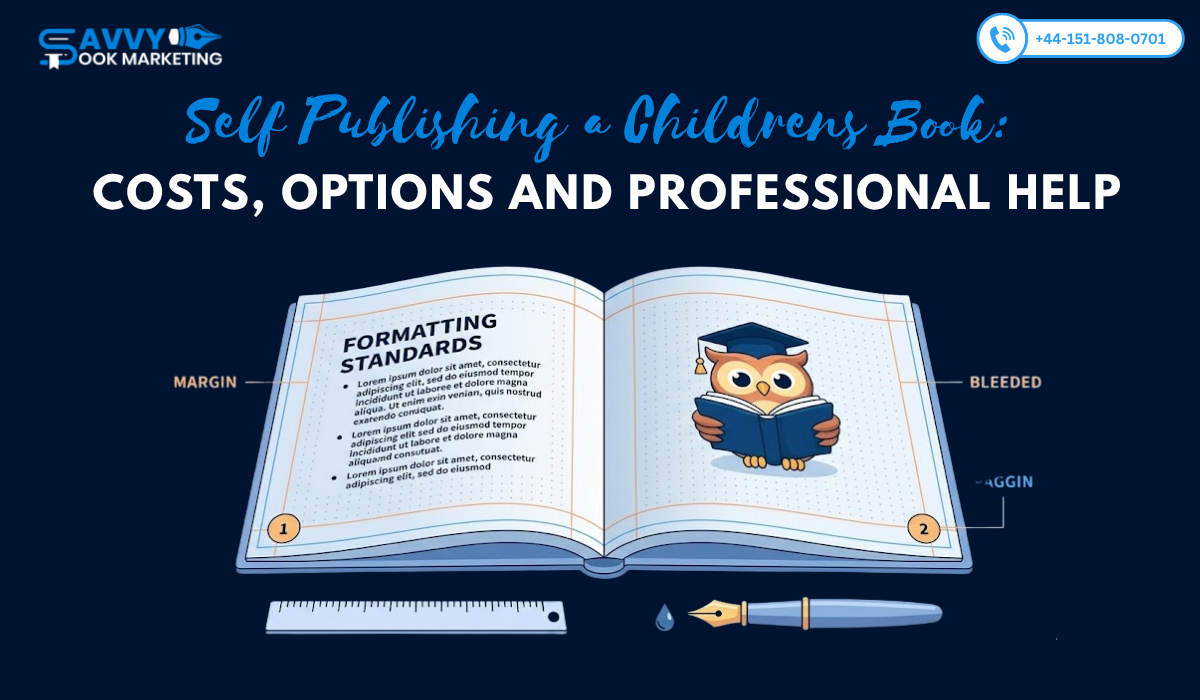
Then move to formatting. Your interior pages must be clean, readable and technically correct for printing. Likewise, your cover should meet platform specifications and look professional at thumbnail size.
After that, choose your distribution method. You may sell through Amazon, independent retailers, your own website or wider distribution networks. Each option has benefits depending on your audience.
Finally, set a realistic launch plan. Do not rush your release. If you want to publish a children's book successfully, preparation often makes the difference between silence and momentum.
Smart Marketing Strategies for Children's Authors
Publishing your book is only the beginning. Without marketing, even a brilliant title may struggle to find readers.
Start with your author presence. A professional website, engaging biography and active social media profiles help parents and buyers trust you. Readers often like to know the person behind the story.
Next, collect reviews. Positive feedback from parents, bloggers, educators and early readers adds credibility. Reviews also improve performance on online marketplaces.
Schools and libraries offer excellent opportunities. Author visits, storytelling sessions, literacy events and workshops can introduce your book directly to children and decision-makers.
Content marketing is another valuable tool. Blog posts, colouring sheets, downloadable activities and reading tips can attract website visitors organically. At Savvy Book Marketing UK, we help authors market books strategically long after launch day.
Common Mistakes to Avoid When Publishing Children's Books
Many authors make preventable mistakes that slow progress or reduce sales. Fortunately, awareness can save time and money.
One common mistake is writing for too broad an age group. A book for a four-year-old differs greatly from one for a ten-year-old. Therefore, always define your reader clearly.
Another issue is using amateur design. Weak covers, poor formatting or low-quality illustrations can damage first impressions instantly. In children's publishing, presentation matters greatly.
Some writers also skip editing. They assume the story is ready because friends enjoyed it. Yet professional editors catch structural and technical issues that others miss.
Lastly, many authors underestimate marketing. They upload the book and hope readers appear. If you are serious about publishing children's books UK, promotion must be part of the plan from day one.
Why Work with a Professional Children's Book Publisher Support Team
Publishing alone can feel overwhelming, especially for first-time authors. A professional support team simplifies the process and improves quality at every stage.
Experts can help shape your manuscript, identify your target audience and prepare your book for market. Instead of guessing, you benefit from proven experience.
Design specialists create covers and interiors that appeal to modern buyers. Marketers then position the book for visibility and sales growth.
You also save valuable time. Rather than learning every technical step yourself, you can focus on creativity while specialists manage production.
At Savvy Book Marketing UK, we act as a trusted partner for writers who want results beyond what a standard children's book publisher might offer alone.
Why Authors Choose Savvy Book Marketing UK
Authors choose us because we understand books, branding and long-term growth. We do not offer generic solutions. Instead, we tailor our services to each project.
Whether you need ghostwriting, editing, cover design, illustration, publishing support or marketing, our experienced team can help. We work with new authors and established writers alike.
We also understand the children's market. A successful children's book must appeal to both the young reader and the adult buyer. Therefore, we shape books that balance imagination with commercial appeal.
Most importantly, we care about author success. We want your book to look professional, reach readers and build momentum in the market.
If you are ready to publish a children's book, we are ready to help you do it properly.
Final Thoughts
If you have written a story that can entertain, inspire or educate children, now is the time to act. Great ideas deserve more than a folder on your computer.
The path to publication becomes much easier when broken into clear steps: write well, edit carefully, design professionally, publish strategically and market consistently.
Whether you are researching publishing children's books UK, exploring self-publishing or seeking guidance beyond a typical children's book publisher, expert support can make a major difference.
At Savvy Book Marketing UK, we help storytellers bring books to life from concept to launch. Your next chapter starts now.

Do you have a book that needs marketing? Our team has years of experience marketing books for Amazon Kindle and other platforms.
- Mailing Address: 49 Jamaica St, Liverpool L1 0AH, United Kingdom
About Us
Our Services
Disclaimer: The logo, name and graphics of Savvy Book Marketing and its products & services are the trademarks of Savvy Book Marketing. All other company names, brand names, trademarks and logos mentioned on this website are the property of their respective owners.
© 2026 - Savvy Book Marketing | All right reserved | Privacy Policy | Terms & Conditions