Self Publishing a Childrens Book: Costs, Options and Professional Help

Self publishing has opened the
door for countless authors who want creative control, faster timelines and
direct access to readers. For children’s book authors in particular, it offers an exciting opportunity
to bring imaginative stories to life without waiting for approval from traditional publishers. However,
while the process is more accessible than ever, it is also more complex than many first-time authors
expect.
When it comes to self publishing a childrens book, there are important decisions to make at every stage,
from budgeting and illustration to formats, platforms and marketing. Unlike adult fiction or
non-fiction, children’s books rely heavily on visuals, age-appropriate formatting and targeted
promotion. These factors influence both cost and quality, making preparation essential.
At the same time, many authors are also exploring digital formats. Self publishing a eBook alongside a
print edition can increase reach, affordability and discoverability. Yet each format brings its own
requirements and challenges. Understanding how these options work together is key to building a
successful publishing strategy.
In this comprehensive guide, we will explore the real costs of self publishing a children’s book, the
publishing options available today and when professional support can make a meaningful difference.
Whether you are just starting out or refining your approach, this blog will help you move forward with
clarity and confidence.
Understanding the True Costs of Self Publishing a Children’s Book
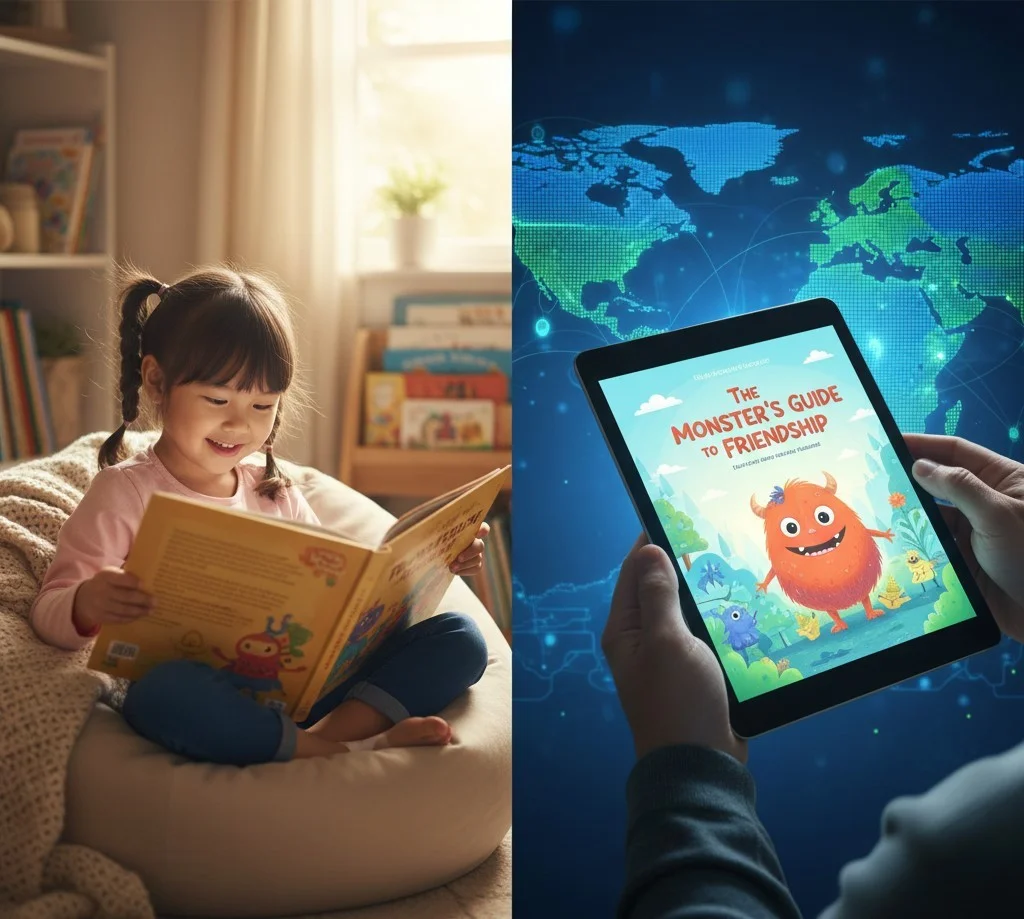
One of the first questions authors ask is how much it actually costs to self publish a children’s book.
The honest answer is that costs vary widely depending on quality expectations, format choices and how
much work you plan to do yourself. While it is possible to publish on a small budget, cutting corners
often impacts the final product.
Illustration is typically the largest expense. Children’s books rely on strong visuals to engage young
readers and parents alike. Professional illustrators charge based on experience, style, number of
illustrations and usage rights. While this investment can feel significant, illustrations are central to
a children’s book’s appeal and long-term success.
Editing is another crucial cost that authors sometimes underestimate. Even short children’s books
benefit from professional editing to ensure clarity, age-appropriate language and narrative flow.
Developmental editing, copyediting and proofreading all contribute to a polished final manuscript that
reflects professionalism.
Additional costs include cover design, formatting, ISBNs, printing and distribution setup. If you also
plan on self publishing a eBook,
formatting and testing across devices becomes part of the budget. While
expenses can add up, understanding these costs upfront helps authors plan realistically and avoid
unpleasant surprises later.
Exploring Your Publishing Options: Print, Digital or Both
Once the manuscript and illustrations are ready, authors must decide how they want their book to reach
readers. Print publishing remains popular for children’s books, particularly for picture books and early
readers. Physical copies allow children to engage with illustrations in a tactile way that screens
cannot fully replicate.
Print-on-demand services have made physical publishing more accessible. These platforms allow books to
be printed only when ordered, reducing upfront printing costs and storage concerns. However, authors
must pay close attention to paper quality, colour reproduction and binding, as these factors directly
affect reader satisfaction.
Digital publishing offers additional flexibility. Self publishing a eBook allows authors to reach global
audiences instantly and offer lower-priced options for parents and educators. While illustrated eBooks
require careful formatting, they can be highly effective for bedtime reading, classroom use and
accessibility.
Many authors choose a hybrid approach, releasing both print and digital editions. This strategy broadens
reach and caters to different reading preferences. By understanding the strengths of each option,
authors can make informed decisions that align with their goals and audience expectations.
The Step-by-Step Process of Self Publishing a Children’s Book
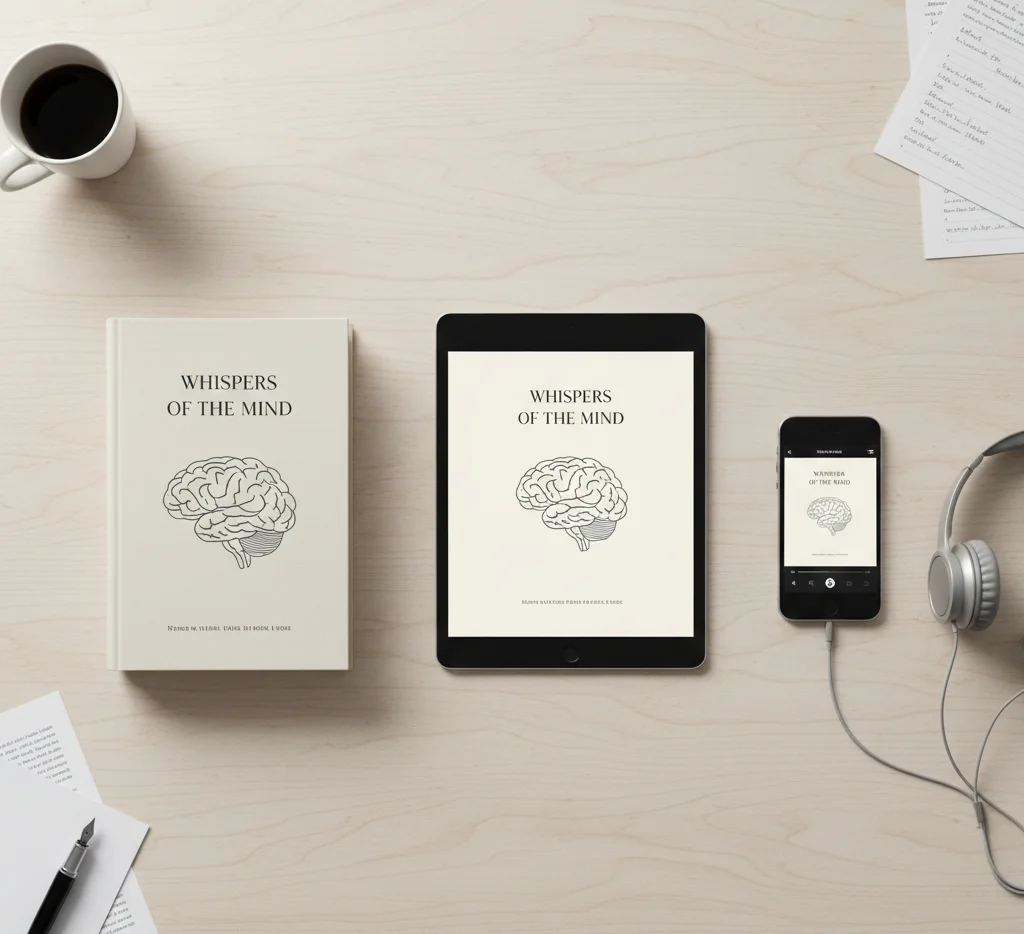
The process of self
publishing a childrens book follows a clear sequence, though each step requires
thoughtful attention. It begins with concept development and manuscript writing. At this stage, authors
should focus on age group, reading level and educational or emotional themes that resonate with children
and parents.
Next comes illustration and design. Collaboration between author and illustrator is essential to ensure
visuals complement the story rather than distract from it. Layout decisions, such as text placement and
page flow, play a significant role in readability and engagement.
Editing and formatting follow, ensuring the book meets professional standards. This includes adjusting
language for clarity, checking pacing and preparing files for both print and digital platforms. For
authors also self publishing a eBook, testing on multiple devices ensures a consistent reader
experience.
Finally, the book is uploaded to publishing platforms and prepared for launch. Metadata, descriptions,
pricing and categories all influence discoverability. While the steps may seem manageable individually,
coordinating them effectively requires time, organisation and experience.
Marketing Challenges Authors Face After Self Publishing
Publishing the book is only half the journey. Once the book is live, authors face the challenge of
visibility. With thousands of new children’s books released each year, standing out requires more than
simply listing a title online.
Many authors struggle with marketing because it involves unfamiliar skills. Building an audience,
creating engaging content and reaching parents, teachers and librarians takes consistent effort. Without
a strategy, marketing activities often feel scattered and ineffective.
Timing also matters. Launch periods, seasonal trends and school calendars influence buying behaviour.
Understanding when and where to promote a children’s book can significantly impact results. This level
of planning is difficult without prior experience.
As a result, many authors find that while self publishing a childrens book gives them creative freedom,
marketing determines whether the book actually reaches readers. This is where professional guidance
becomes increasingly valuable.
When Professional Help Makes a Real Difference
While self publishing empowers authors, it does not mean doing everything alone. Professional support can
streamline the process, improve quality and reduce costly mistakes. This is especially true for
children’s books, where expectations around design and presentation are high.
Experienced publishing professionals offer guidance across writing, illustration coordination, editing,
formatting and distribution. They understand industry standards and help authors navigate decisions that
might otherwise feel overwhelming. This support saves time and allows authors to focus on storytelling.
Professional marketing services are equally important. From audience research to promotional campaigns,
experts know how to position a children’s book effectively. Whether promoting a print title or self
publishing a eBook, strategic marketing increases visibility and reader engagement.
For many authors, professional help is not about giving up control. Instead, it is about collaboration.
By combining creative vision with industry expertise, authors increase their chances of producing a book
that resonates with readers and stands the test of time.
Balancing Budget, Quality and Long-Term Goals
One of the biggest challenges in self publishing is balancing budget constraints with quality
expectations. It is natural to want to minimise costs, especially for first-time authors. However,
decisions made early on can influence long-term outcomes.
Investing in quality illustration, editing and design often leads to better reviews, stronger
word-of-mouth and increased trust among readers. These factors contribute to sustained sales rather than
short-lived launches. Viewing publishing as a long-term endeavour helps authors prioritise wisely.
Authors should also consider their broader goals. Are you publishing a single book or building a series?
Do you plan to expand into self publishing a eBook or other formats? Clear objectives make it easier to
allocate resources strategically.
By thinking beyond immediate costs, authors can create a publishing plan that supports growth,
credibility and future opportunities
Final Thoughts
Self publishing offers children’s book authors an incredible opportunity to share stories on their own
terms. Yet success requires more than enthusiasm and creativity. Understanding costs, choosing the right
publishing options and knowing when to seek professional support all play a role in the final outcome.
Whether you are navigating self publishing a childrens book for the first time or expanding into self
publishing a eBook, preparation is key. The more informed your decisions, the smoother the process
becomes.
With the right balance of creativity, planning and expert guidance, self publishing can be both
rewarding and sustainable. For authors willing to approach it strategically, it is not just a way to
publish a book; it is a pathway to building a meaningful presence in the world of children’s literature.