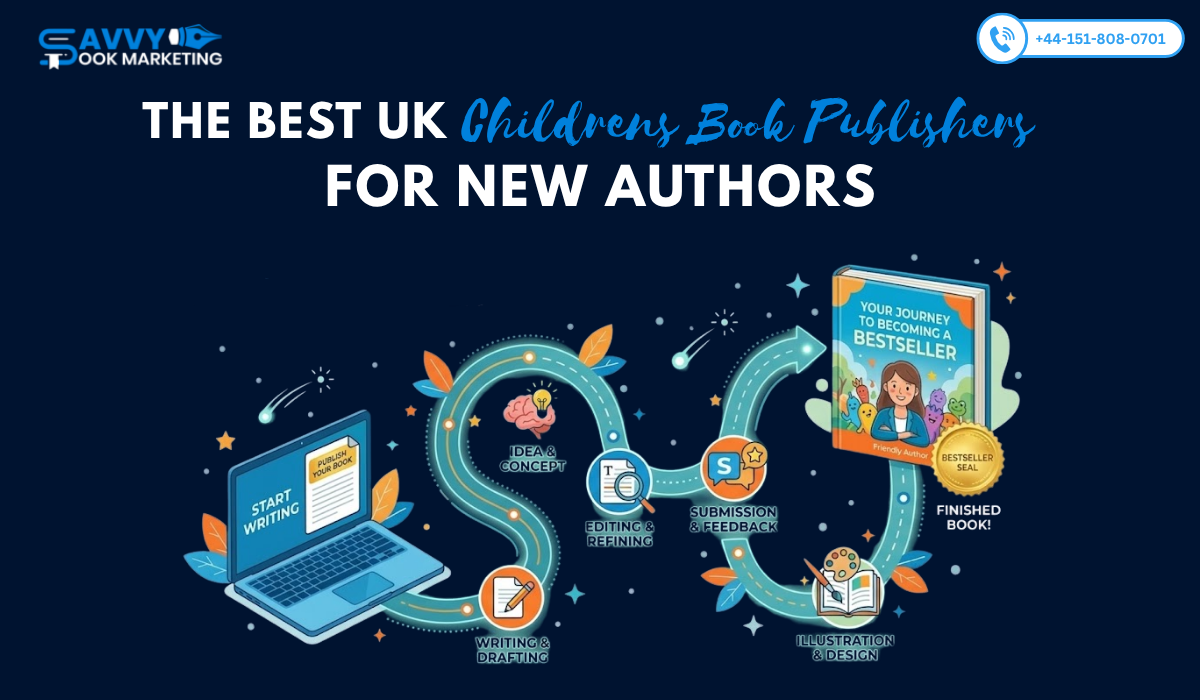
The Best UK Childrens Book Publishers for New Authors
Writing a children’s book is a unique and rewarding journey. From crafting captivating characters to
designing colourful illustrations, creating a story for young readers requires imagination, precision
and care. However, finishing the manuscript is just the first step. The next challenge lies in childrens book
publishing, bringing your book to life and ensuring it reaches the audience it deserves.
For new authors, navigating this world can feel overwhelming. The UK is home to numerous childrens
publishing companies, each offering different services, expertise and publishing models. Knowing which
publishers to approach, understanding industry expectations and deciding whether to pursue traditional
publishing or explore childrens book self publishing are crucial decisions.
At Savvy Book Marketing UK, we have helped countless authors turn their stories into professionally
published books that resonate with young readers. In this comprehensive guide, we will explore the best
UK childrens book publishers, what they offer and how new authors can successfully enter the world of
children’s literature.
Understanding the Children’s Publishing Landscape in the UK
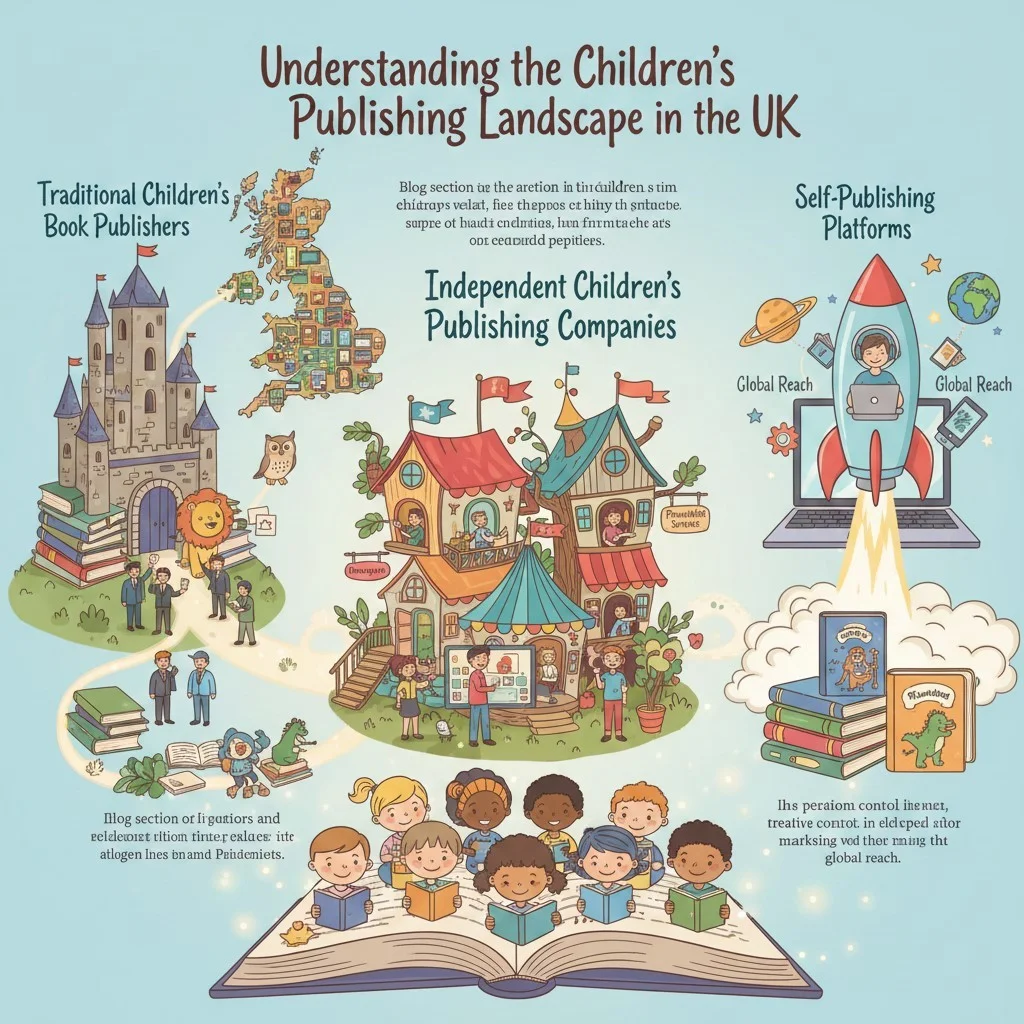
The UK has a rich history of children’s literature, from classic fairy tales to modern educational books.
Today, the landscape is more diverse than ever. Authors can choose from traditional childrens book
publishers, independent companies or self-publishing platforms. Each pathway offers unique advantages
and challenges.
Traditional childrens book publishers often provide
editorial support, illustration coordination, marketing and distribution. They can help new authors
access bookstores, libraries and schools, which increases visibility and credibility. However, the
competition is intense and submission guidelines are strict. Many publishers are selective, looking for
authors with a polished manuscript, clear concept and market potential.
Independent childrens publishing companies often offer more flexible options for new authors. They may
accept debut authors more readily and provide personalised services. These companies may handle editing,
design and marketing, but terms, royalties and rights arrangements can vary widely. Researching each
company carefully is essential to avoid unexpected challenges.
Meanwhile, childrens book self publishing has emerged as a popular alternative. It allows authors to
maintain complete creative control, set their timelines and publish their work both in print and digital
formats. Self-publishing also offers global reach, though authors must take on marketing, editing and
distribution themselves. Choosing the right publishing path depends on goals, budget and long-term
career plans.
The Benefits of Working With Professional Childrens Publishing Companies
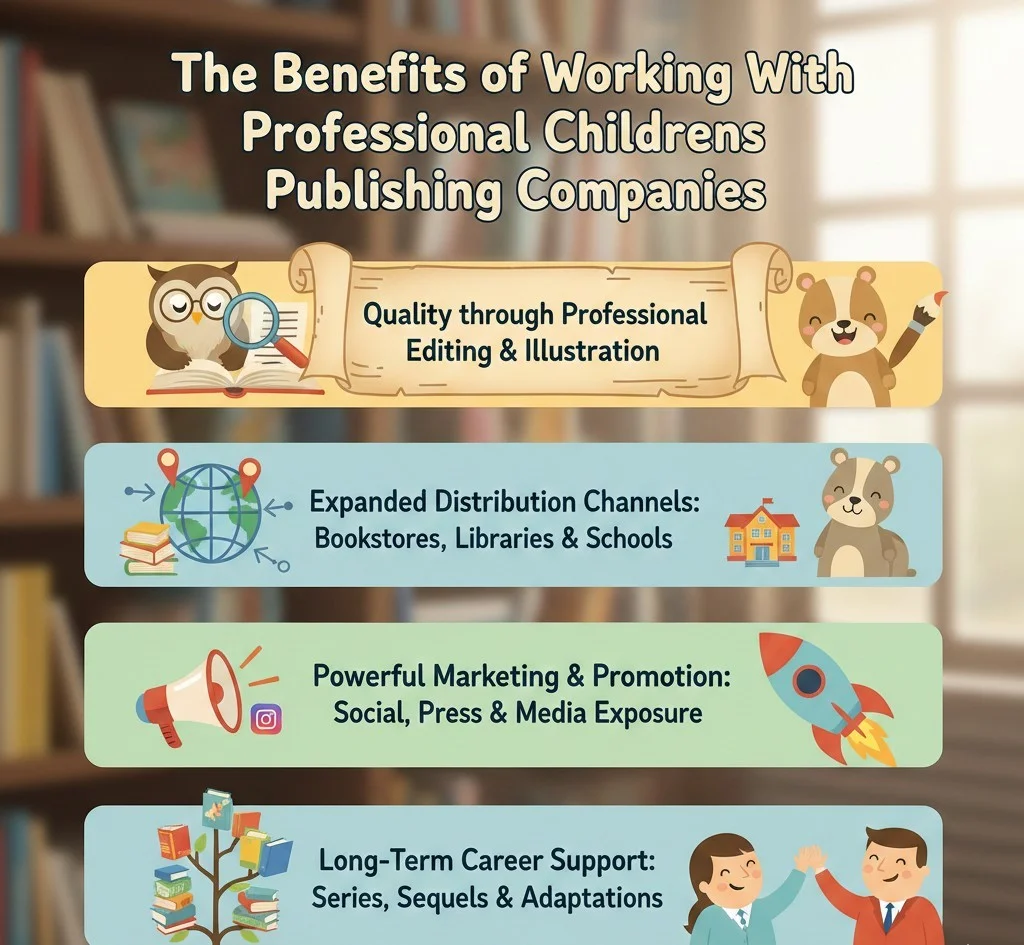
Working with professional childrens publishing companies provides numerous advantages beyond simply
printing your book. First, experienced publishers ensure quality through professional editing,
illustration management and design. For children’s books, visuals are just as important as text, making
professional guidance essential.
Second, these publishers offer distribution channels that independent authors may struggle to access.
Placement in bookstores, libraries and schools increases visibility and builds credibility. With proper
support, your book is more likely to reach the hands of the readers it was written for.
Third, marketing support from a professional publisher is invaluable. While authors can manage social
media and promotions independently, publishers provide strategies, press releases and sometimes media
exposure that significantly boost reach. For new authors, this can be the difference between a book that
sells and one that remains unseen.
Finally, professional publishers provide long-term career support. Beyond one book, they may offer
opportunities for series development, sequels or educational adaptations. Partnering with a reputable
company lays the foundation for a sustainable career in childrens book publishing.
Exploring Childrens Book Self Publishing Options
<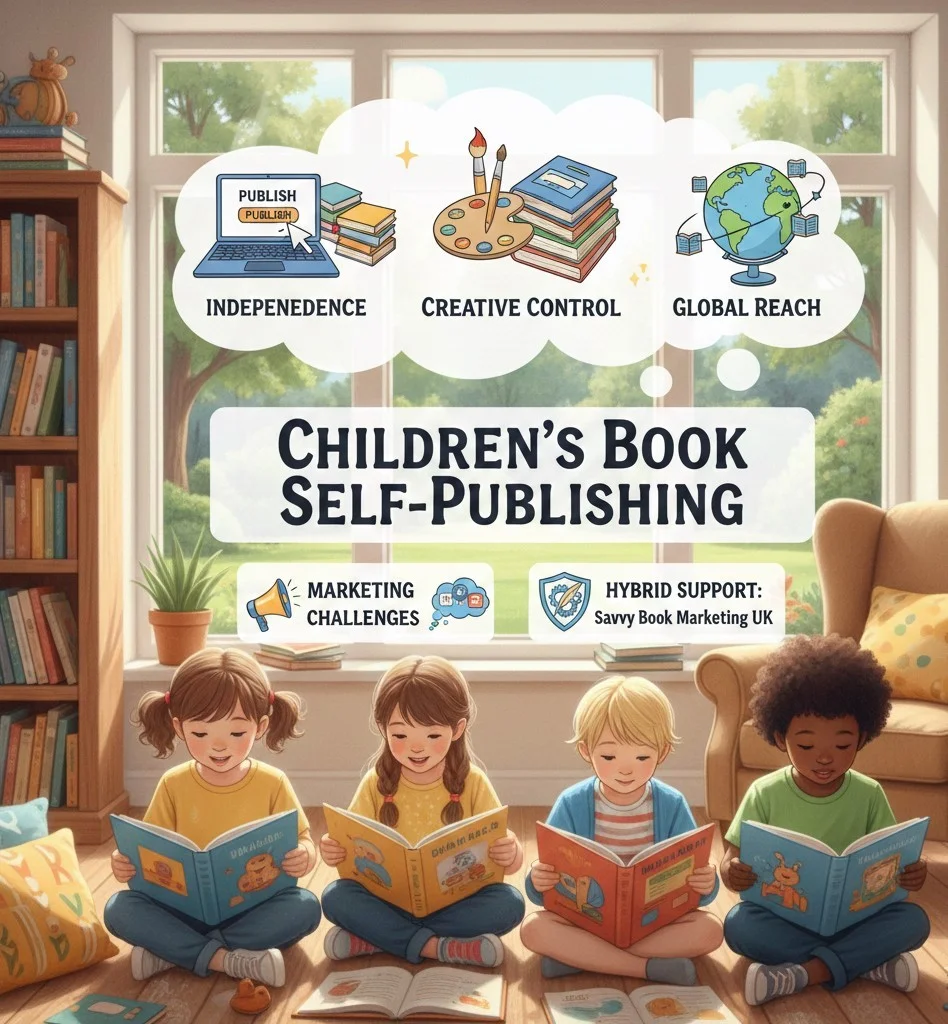
While traditional publishing is valuable, childrens book self publishing offers independence and
flexibility that appeal to many new authors. Self-publishing allows complete creative control from story
development and illustrations to pricing, distribution and marketing strategy.
Self-publishing platforms such as Amazon Kindle Direct Publishing, IngramSpark and Lulu enable authors
to release books in both print and digital formats. Print-on-demand technology reduces upfront costs,
while digital editions broaden reach, allowing authors to sell globally without relying on a traditional
publisher.
Marketing remains the most challenging aspect of childrens book self publishing. Without professional
support, authors must learn about audience targeting, school and library outreach and online promotions.
However, for motivated authors willing to invest time and resources, self-publishing provides unmatched
flexibility.
For those who want guidance without surrendering control, hybrid services from professional publishing
agencies, like Savvy Book Marketing UK, combine the benefits of traditional support with self-publishing
freedom. This approach ensures quality while allowing authors to manage their own creative vision.
The Importance of Illustrations in Children’s Books
Unlike adult literature, illustrations in children’s books are critical. They help convey the story,
engage young readers and support comprehension. Poor-quality illustrations can undermine even the most
engaging narrative, which is why professional oversight is vital.
Professional childrens publishing companies coordinate with
illustrators to ensure artwork aligns with the story’s tone, target age group and reading level. They
also handle technical details like colour accuracy, formatting and print quality. For digital books,
illustrations must be optimised for various devices, a task that requires both skill and experience.
Authors exploring childrens book self publishing should consider hiring professional illustrators or
design services. A visually appealing book improves discoverability, reviews and parent or teacher
recommendations. Investing in quality illustrations is one of the smartest moves a new author can make.
Editing and Proofreading: Ensuring a Polished Final Product
Editing is a cornerstone of professional childrens book publishing. Even minor errors can distract
readers and reduce credibility. Editors help refine language, pacing, sentence structure and narrative
clarity.
For children’s books, developmental editing is particularly important. It ensures the story is
age-appropriate, maintains engagement and conveys intended themes. Proofreading ensures final accuracy,
eliminating typos, inconsistencies and grammatical mistakes.
Whether working with traditional childrens book publishers or self-publishing, professional editing
significantly impacts how readers perceive the book. A polished manuscript reflects care,
professionalism and dedication qualities that encourage repeat readership and positive reviews.
Marketing Your Children’s Book for Maximum Impact
Publishing a book is only part of the journey. Marketing is essential to ensure your work reaches its
audience. Many new authors underestimate the importance of strategic marketing, but it plays a crucial
role in sales, reviews and long-term success.
Professional childrens publishing companies often provide marketing support, from online campaigns to
school and library outreach. They can also assist with press releases, book launch events and social
media promotion. This level of support is invaluable for new authors navigating the competitive
children’s book market.
For authors pursuing childrens book
self publishing, marketing becomes a personal responsibility. Strategies include leveraging
social media, building an author website, creating email lists and engaging with educators or book
clubs. Collaborating with marketing experts ensures that your book receives the visibility it deserves.
Navigating Submission Guidelines and Publisher Expectations
Each publisher has unique submission guidelines, including manuscript format, illustration requirements
and query protocols. Understanding these expectations increases the likelihood of acceptance.
Researching a publisher’s catalogue and target audience is essential. For instance, a publisher
specialising in picture books may not accept middle-grade novels and vice versa. Tailoring submissions
to align with the publisher’s strengths demonstrates professionalism and commitment.
A professional book publishing agency can guide new authors through this process, ensuring manuscripts
meet industry standards. This support streamlines submissions, reduces frustration and increases the
chances of success in a competitive market.
Hybrid Approaches: Combining Publishing Paths for Success
Many authors today blend traditional and self-publishing approaches. For example, an author might
release a print edition through a childrens book publisher while simultaneously offering a digital
version via childrens book self publishing platforms.
Hybrid publishing maximises reach, flexibility and revenue potential. It also allows authors to test
markets, gather feedback and refine future projects. Professional agencies facilitate this approach,
managing logistics, design and distribution across multiple channels.
This model provides the best of both worlds: the credibility and support of professional childrens
publishing companies, combined with the control and speed of self-publishing.
Final Thoughts
Choosing the right publishing path is a pivotal decision for new authors. Whether you collaborate with
established childrens book publishers, explore childrens book self publishing or adopt a hybrid
approach, understanding your options is key to long-term success.
Professional support ensures your book is edited, illustrated, designed and distributed to the highest
standards. It also enhances credibility, improves discoverability and positions your book for global
reach. For authors aiming to enter the vibrant UK children’s book market, this guidance is invaluable.
At Savvy Book Marketing UK, we help new authors navigate these decisions, providing expert advice,
design and editorial support and strategies for distribution and promotion. With the right partner, your
story can reach young readers, parents and educators alike, turning your manuscript into a
professionally published book that makes a lasting impact.
By understanding the publishing landscape, working with professionals and exploring the right
combination of traditional and self-publishing options, new authors can confidently embark on their
journey and succeed in the competitive world of childrens book publishing.