How to Write and Publish a Childrens Book in the UK?
Writing a children's book is one of the most rewarding creative journeys you can take. Whether you are inspired by a bedtime story, a classroom experience or your own imagination, turning your idea into a published book is an exciting goal. However, many aspiring authors quickly realise that creativity alone is not enough; you also need a clear understanding of the process behind publishing children's books UK.
The journey from idea to finished book involves several important stages. You must craft a compelling story, edit it to a professional standard, design it beautifully and then choose the right publishing and marketing strategy. While this may seem overwhelming at first, each step becomes manageable when approached in the right order.
In today's publishing landscape, writers have more control and opportunity than ever before. Traditional routes still exist, but self-publishing and guided publishing services have made it easier to publish a children's book without waiting years for approval. As a result, authors across the UK are bringing their stories to life faster and more effectively.
That said, children's publishing is a unique field. You are not only writing for children but also appealing to parents, teachers and librarians. This means your book must meet high standards in storytelling, design and presentation.
At Savvy Book Marketing UK, we help authors navigate every stage of childrens book publishing, from idea to market success. In this guide, you will learn how to write and publish your children's book with confidence and clarity.
Understanding the UK Children's Book Market Before You Begin
Before you start writing, it is essential to understand the market you are entering. The UK children's book industry is vibrant, competitive and constantly evolving. Therefore, knowing what readers and buyers expect can give you a strong advantage.
Children's books are not purchased solely by children. In most cases, adults make the buying decision. Parents, teachers and gift buyers look for books that are engaging, educational and visually appealing. Consequently, your book must satisfy both child readers and adult purchasers.
The market is also divided into clear age categories. Picture books, early readers, chapter books and middle-grade fiction all serve different audiences. Each category has its own expectations for language, length, themes and design. If you want to succeed in publishing children's books UK, you must align your content with the correct category.
In addition, trends play an important role. Stories that promote diversity, emotional wellbeing, creativity and life skills are particularly popular. At the same time, humour, adventure and fantasy remain timeless favourites among young readers.
By understanding the market early on, you can position your book more effectively. This step will not only improve your writing but also make your journey into childrens book publishing far more strategic.
Choosing the Right Type of Children's Book for Your Idea
Once you understand the market, the next step is choosing the right format for your story. This decision shapes everything from your writing style to your publishing approach.
Picture books are typically aimed at children aged three to seven. These books rely heavily on illustrations and use concise, engaging text. Every word must contribute to the story, as space is limited. If your idea is visual and simple, this format is ideal.
Early readers and chapter books are designed for children who are learning to read independently. These books use straightforward language, shorter sentences and structured chapters. They are perfect for light adventures, humour and character-driven stories.
Middle-grade fiction targets readers aged eight to twelve. These books allow for more complex plots, deeper emotions and longer narratives. If your story includes detailed world-building or strong character development, this category may suit you best.
Non-fiction children's books are also worth considering. Topics such as science, nature, emotions and creativity can be both educational and entertaining. When planning to publish a children's book, selecting the correct type ensures your content resonates with the right audience.
Writing a Children's Story That Captures Attention
Now comes the most creative part of the process: writing your story. A successful children's book needs to capture attention quickly and maintain it throughout.
Start with a strong concept. Ask yourself what makes your story unique. It could be a funny character, an imaginative world or a meaningful message. Your idea should be simple enough to explain easily yet engaging enough to spark curiosity.
Next, focus on your audience. Children have different reading abilities and attention spans depending on their age. Therefore, tailor your language, tone and pacing accordingly. Simplicity works well for younger readers, while older children appreciate more depth.
Pacing is crucial. Children lose interest if a story feels slow or confusing. Use action, dialogue and emotional moments to keep the narrative moving forward. Each page should offer something new or exciting.
Finally, read your story aloud. This helps you identify awkward phrasing and improve rhythm. If the story flows naturally when spoken, it is more likely to engage young readers. When you aim to publish a children's book, readability is just as important as creativity.
Editing Your Manuscript to Professional Standards
Even the best ideas need refinement. Editing transforms your manuscript from a rough draft into a polished piece ready for publication.
Developmental editing focuses on the structure of your story. It helps you improve pacing, character development and clarity. If your plot feels uneven or your message is unclear, this stage addresses those issues.
Copyediting then improves grammar, punctuation and consistency. In children's books, accuracy is particularly important because young readers are still learning language skills.
Proofreading is the final step. It catches any remaining errors before publication. Even small mistakes can affect credibility, so this stage should never be skipped.
At Savvy Book Marketing UK, we offer professional editing services tailored to childrens book publishing. With expert support, your manuscript can meet the high standards expected in the UK market.
The Importance of Illustrations and Visual Appeal
Illustrations play a vital role in many children's books, especially picture books. They help bring the story to life and create an emotional connection with the reader.
High-quality illustrations can make your book stand out instantly. They add personality, colour and depth to your characters and settings. In many cases, children engage with the artwork before reading the text.
Consistency is essential. Characters should look the same throughout the book and the art style should match the story's tone. A calm bedtime story, for example, requires a different visual approach than a fast-paced adventure.
Layout and design also matter. Text should be easy to read and images should guide the reader's eye naturally across the page. A well-designed book enhances the reading experience.
If you want to succeed in publishing children's books UK, investing in professional illustration and design is a wise decision.
Choosing the Best Publishing Route in the UK
When your manuscript and design are ready, you need to choose a publishing route. This decision will affect your timeline, control and overall experience.
Traditional publishing involves submitting your manuscript to publishers or literary agents. If accepted, the publisher handles editing, design and distribution. However, this route is highly competitive and can take a long time.
Self-publishing offers more control. You manage the entire process, from editing to marketing. This allows you to release your book faster, but it also requires careful planning and professional support.
Hybrid publishing combines both approaches. You invest in services while benefiting from expert guidance. Many authors choose this option when entering childrens book publishing for the first time.
Each route has advantages, so consider your goals carefully. If speed and control are important, self-publishing may suit you. If you prefer industry backing, traditional publishing could be the better choice.
Step-by-Step Guide to Publish a Children's Book
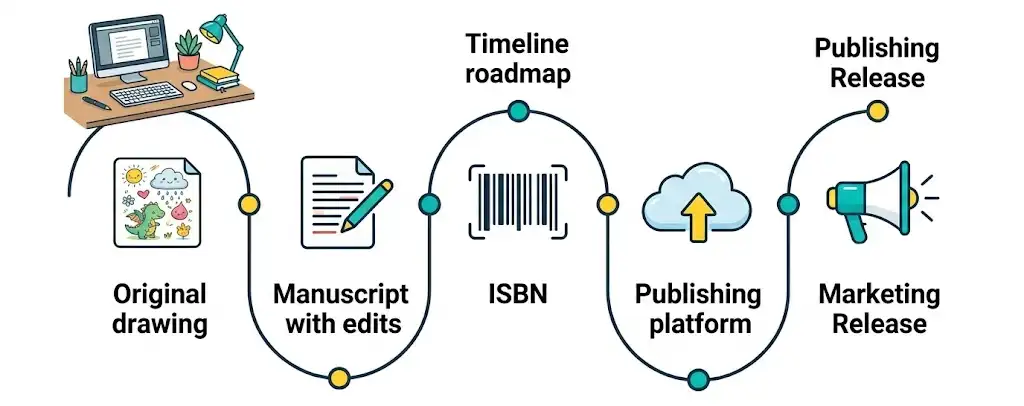
Once you have chosen your route, it is time to move into the publishing phase. Begin by preparing your files for print and digital formats. Proper formatting ensures your book looks professional.
Next, obtain an ISBN and finalise your copyright details. These elements help identify your book in the marketplace and protect your work.
Then, upload your book to publishing platforms or coordinate with your chosen service provider. Ensure all details, including descriptions and keywords, are accurate and optimised.
After that, plan your launch. A well-organised release strategy can make a significant difference. Build anticipation through social media, email marketing and early reviews.
When you are ready to publish a children's book, taking a structured approach will increase your chances of success.
Marketing Your Children's Book for Long-Term Success
Publishing your book is only the beginning. To reach readers, you need a strong marketing strategy.
Start by building your author presence. A professional website and active social media accounts help establish credibility. Parents and educators often research authors before purchasing books.
Next, focus on reviews. Positive feedback builds trust and encourages more readers to buy your book. Reach out to bloggers, teachers and early readers for honest opinions.
Schools and libraries offer valuable opportunities. Organise readings, workshops and events to connect directly with your audience. These interactions can create lasting impressions.
Content marketing is also effective. Share blog posts, activities and resources related to your book. At Savvy Book Marketing UK, we help authors create strategies that support long-term growth in publishing children's books UK.
Common Mistakes to Avoid in Childrens Book Publishing
Many authors face challenges because they overlook key details. However, you can avoid these pitfalls with the right knowledge.
One common mistake is targeting the wrong age group. Writing for too broad an audience can weaken your story. Always define your reader clearly.
Another issue is neglecting professional design. A poorly designed book can struggle to attract attention, even if the story is strong.
Skipping editing is also risky. Errors can reduce credibility and impact the reading experience. Always invest in professional editing.
Finally, many authors underestimate marketing. Simply publishing your book is not enough. If you want to succeed in childrens book publishing, promotion must be part of your plan.
Why Choose Savvy Book Marketing UK for Your Publishing Journey
Choosing the right support can transform your publishing experience. At Savvy Book Marketing UK, we provide comprehensive services designed to help authors succeed.
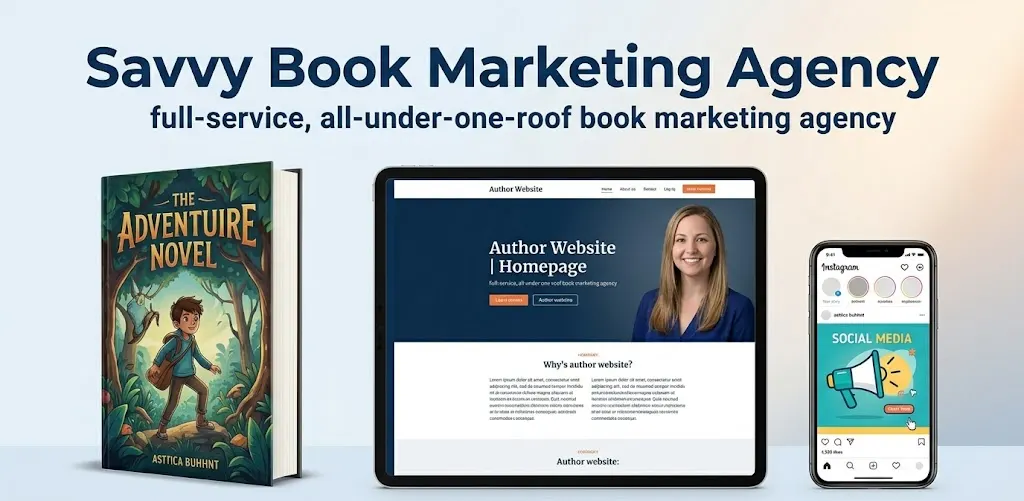
We offer writing support, editing, illustration, design, publishing and marketing all under one roof. This ensures consistency and quality throughout your project.
Our team understands the UK children's book market. We help you position your book effectively and reach the right audience.
We also focus on long-term success. Our goal is not just to publish your book but to help it grow in visibility and impact.
If you are ready to publish a children's book, our experts are here to guide you every step of the way.
Final Thoughts
Writing a children's book is a creative achievement worth celebrating. However, publishing it successfully requires careful planning and execution.
By understanding the market, choosing the right format, writing a strong story and investing in professional services, you can create a book that stands out.
Whether you are new to publishing children's books UK or looking to improve your approach, the right strategy makes all the difference.
At Savvy Book Marketing UK, we are passionate about helping authors turn ideas into published books. Your story has the potential to inspire, entertain and educate young readers. Now is the time to share it with the world.

Do you have a book that needs marketing? Our team has years of experience marketing books for Amazon Kindle and other platforms.
- Mailing Address: 49 Jamaica St, Liverpool L1 0AH, United Kingdom
About Us
Our Services
Disclaimer: The logo, name and graphics of Savvy Book Marketing and its products & services are the trademarks of Savvy Book Marketing. All other company names, brand names, trademarks and logos mentioned on this website are the property of their respective owners.
© 2026 - Savvy Book Marketing | All right reserved | Privacy Policy | Terms & Conditions