How Do I Publish a Children’s Book in the UK?
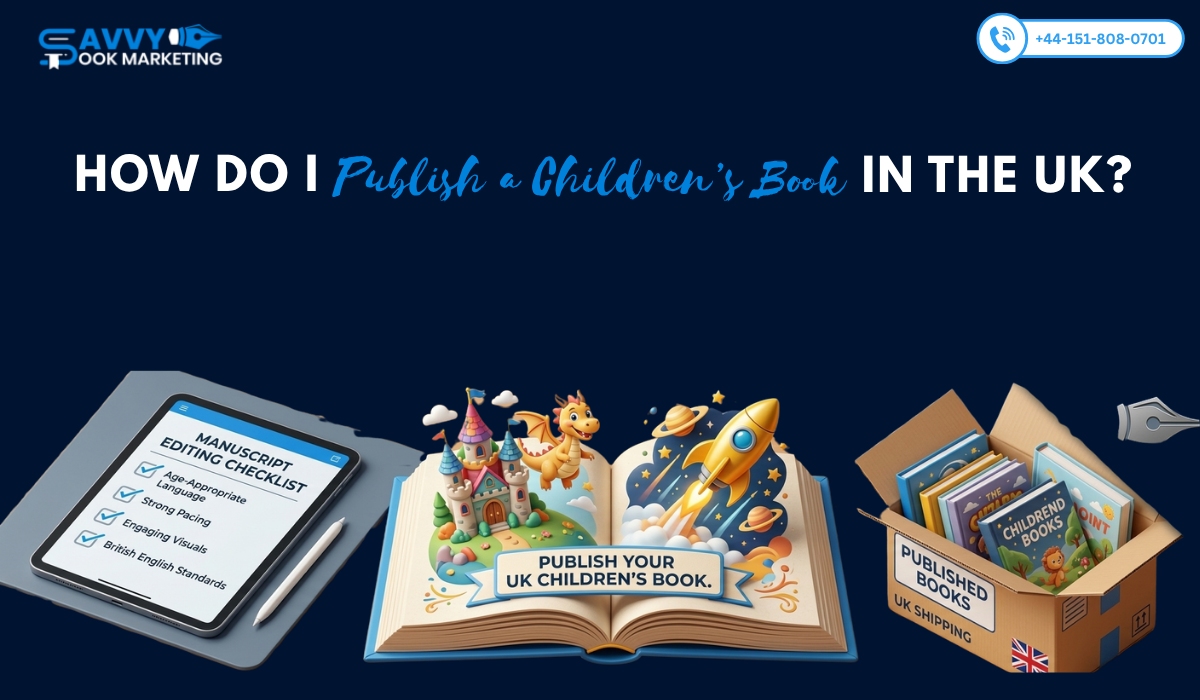
Table of Contents
- Introduction
- Why Children's Books Continue to Thrive in the UK Market
- Choose the Right Type of Children's Book Before You Publish
- How to Publish a Children's Book Successfully in the UK
- Looking for Children's Book Publishers Manchester? Know Your Options
- Why Authors Choose Savvy Book Marketing UK
- Final Thoughts
Creating a story for young readers is exciting. Whether you have written a bedtime picture book, an early reader adventure or a middle-grade fantasy, the next big question is often the same: how do I publish a children's book in the UK? Many aspiring authors have brilliant ideas, memorable characters and heartfelt messages, yet they feel unsure about the publishing process.
The good news is that there are now more opportunities than ever before to publish a children's book successfully. Traditional publishing, self-publishing, hybrid models and digital platforms have opened doors for writers across the country. As a result, authors no longer need to wait years for a chance to share their stories with families, schools and young readers.
However, children's publishing is a specialist area. It requires more than simply writing a good story. You need age-appropriate language, strong pacing, engaging visuals, professional editing and a clear publishing strategy. In addition, parents, teachers and booksellers all influence buying decisions, which means quality and presentation matter greatly.
That is where expert support becomes valuable. At Savvy Book Marketing UK, we help authors turn creative ideas into polished books that are ready for the market. From writing support and editing to design, publishing and promotion, our team understands what it takes to succeed in the competitive world of publishing children's books.
In this guide, we will walk you through each stage of the process so you can confidently move from manuscript to finished book.
Why Children's Books Continue to Thrive in the UK Market
Children's books remain one of the strongest sectors in British publishing. Every year, parents, schools, libraries and gift buyers purchase titles for learning, entertainment and emotional development. Because of this ongoing demand, there is strong potential for new authors with fresh ideas.
Young readers also grow through different stages, which creates a wide market. Picture books, phonics readers, chapter books, middle-grade novels and young teen fiction all serve different audiences. Therefore, if your story suits a specific age group, there is likely a readership waiting for it.
Moreover, many parents actively seek books that reflect modern values, diverse experiences, emotional wellbeing and educational benefits. Stories that help children understand kindness, confidence, friendship or resilience often perform well. At the same time, humorous and imaginative adventures continue to attract enthusiastic readers.
Schools across the UK also support reading culture. Book fairs, author visits, reading weeks and literacy programmes create regular opportunities for children's titles. Consequently, authors who plan well can reach both retail and educational audiences.
If you want to publish a children's book, this is an excellent time to start. With the right guidance, your book can become more than a story; it can become part of a child's growth and imagination.
Choose the Right Type of Children's Book Before You Publish
Before moving into production, you need to define exactly what kind of book you are creating. This decision affects your writing style, page count, illustrations, printing format and marketing approach.
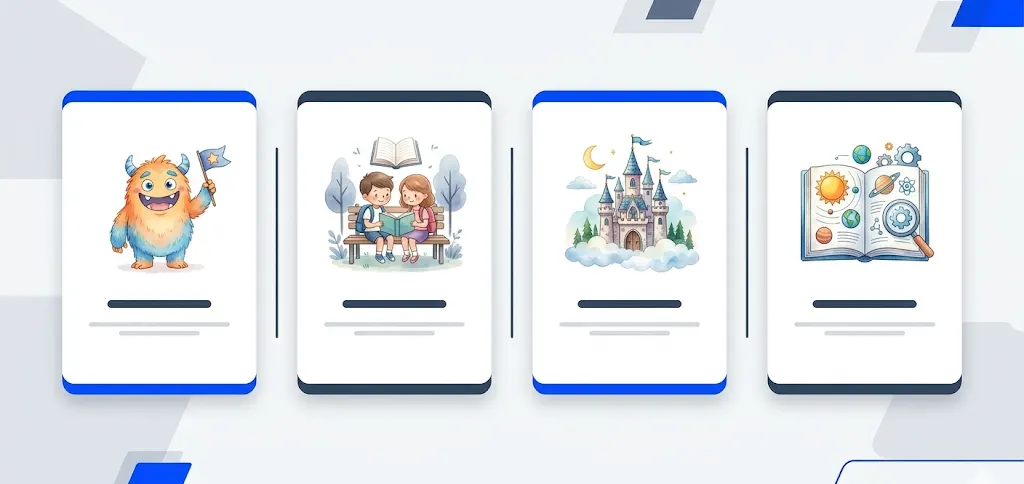
Picture books are ideal for ages 3 to 7. These books rely heavily on illustrations and usually contain concise text. Every word must count and the page turns should create excitement. If your story is visual, playful and simple, this format may suit you perfectly.
Early readers and chapter books target children who are developing independent reading skills. These books often include shorter chapters, manageable vocabulary and steady pacing. They are excellent for adventure stories, mysteries and character-driven series.
Middle-grade fiction generally targets readers aged 8 to 12. These books are longer and more complex, with deeper plots and stronger emotional themes. Fantasy, school stories, historical adventures and friendship stories often thrive in this category.
Non-fiction children's books are another strong option. Educational titles about science, animals, history, emotions or creativity can do very well. When publishing children's books, understanding your audience's age range is one of the smartest first steps you can take.
Write a Story Children Will Want to Read Again and Again
A successful children's book does more than entertain once. It becomes a favourite that children request repeatedly. That means your story needs charm, rhythm, clarity and emotional appeal.
Start with a strong concept. Ask yourself what makes your story memorable. Is it a lovable character? A funny twist? A magical setting? A helpful lesson? Your core idea should be easy to explain and exciting to hear.
Next, focus on age-appropriate language. Younger readers need simplicity, repetition and rhythm. Older children need stronger plots, realistic dialogue and characters they can relate to. Therefore, always write with the child reader in mind rather than the adult buyer.
Pacing is equally important. Children lose interest quickly if the story drags. Use movement, curiosity, humour and tension to keep pages turning. In picture books, each spread should create anticipation for the next one.
Finally, read your manuscript aloud. Children's stories must sound natural when spoken. If a sentence feels awkward, simplify it. If a scene feels slow, tighten it. When you plan to publish a children's book, polished storytelling gives you a real advantage.
Professional Editing: The Secret Behind Quality Children's Books
Even talented writers need editors. In fact, editing is one of the most important steps in producing a book that parents and educators trust.
Developmental editing looks at the big picture. It helps improve structure, character development, age suitability, tone and pacing. If something is confusing or weak, a developmental editor can strengthen it before design begins.
Copyediting focuses on grammar, punctuation, consistency, spelling and readability. British English standards matter in the UK market, so professional editing ensures your manuscript feels polished and natural.
Proofreading comes last and catches final errors before publication. This step is especially important because mistakes in children's books can damage credibility with parents and teachers.
At Savvy Book Marketing UK, we help authors refine manuscripts to professional standards. If you want to compete with established children's book publishers UK, quality editing is not optional; it is essential.
Why Illustrations Matter When Publishing Children's Books
Illustrations often determine whether a child picks up a book in the first place. In picture books especially, artwork is just as important as the words.
Strong illustrations create an emotional connection. They bring characters to life, build atmosphere and help children understand the story visually. A warm smile, silly expression or magical landscape can make your book unforgettable.
Consistency is vital. Characters should look the same throughout the book and the art style should match the tone. A gentle bedtime story needs a different visual approach from a comic jungle adventure.
Page layout also matters. Text placement, spacing and image balance affect readability. A cluttered page can overwhelm young readers, while a clean design improves engagement.
If you are ready to publish a children's book, invest in professional illustration and design. This can dramatically improve your book's appeal and sales potential.
Traditional Publishing vs Self-Publishing: Which Route Is Best?
Many writers ask whether they should approach publishers or self-publish. The truth is that both routes can work, depending on your goals.
Traditional publishing offers prestige, industry expertise and access to established distribution. However, competition is fierce. You may need an agent, long waiting periods and no guarantee of acceptance.
Self-publishing gives you speed, creative control and higher royalty percentages. You choose the title, cover, pricing and release date. Yet you must also manage production quality and marketing.
Hybrid publishing combines elements of both. Authors invest in services while receiving professional support with editing, design and distribution. For many first-time writers, this route offers a practical balance.
If you are comparing options with children's book publishers UK, consider your priorities carefully. If control and faster launch matter most, self-publishing may be ideal. If prestige and established networks matter most, traditional routes may suit you.
How to Publish a Children's Book Successfully in the UK
Once your manuscript is ready, it is time to publish. First, choose your formats. Paperback remains popular for children's books, while hardbacks work well for gifts and libraries. E-books can also add reach.
Next, secure your ISBN, copyright details and publishing metadata. This information helps retailers, libraries and online platforms identify and list your book correctly.
Then prepare files for print and digital distribution. Professional formatting ensures your pages look clean and your cover meets technical standards. Poor formatting can lead to printing issues and weak reviews.
After that, upload your book to platforms such as Amazon and other retailers or distribute through broader networks. If you are aiming to publish a children's book professionally, a proper setup matters.
Finally, schedule your launch strategically. Avoid rushing. A well-planned release with reviews, social media activity and promotional outreach often performs far better than a rushed upload.
Marketing Your Children's Book After Publication
Publishing is only the beginning. Without marketing, even brilliant books can remain unseen.
Start with a professional author brand. A website, social media presence and clear message help readers and buyers trust you. Parents often look up authors before purchasing.
Next, gather reviews. Honest feedback from parents, teachers, bloggers and early readers builds credibility. Reviews also improve conversion rates on online stores.
Schools and libraries can be excellent channels. Offer readings, workshops or literacy-themed events. Children who meet authors often become enthusiastic readers and recommend books to others.
Use content marketing too. Blog posts, activity sheets, downloadable colouring pages and parenting content can attract organic traffic. At Savvy Book Marketing UK, we help authors market books effectively long after launch.
Looking for Children's Book Publishers Manchester? Know Your Options
Writers based in the North often search for children's book publishers Manchester to find local opportunities and creative support. Manchester has a strong literary culture, a vibrant arts scene and a growing publishing community.
Working with local professionals can offer practical advantages. You may find networking events, writing workshops, in-person consultations and regional media opportunities that help build momentum.
However, location should never be your only deciding factor. Today, many publishing and marketing services operate nationally. That means you can work with the best specialists regardless of where they are based.
When researching children's book publishers Manchester, compare service quality, portfolio strength, communication standards and marketing support. A strong remote team may serve you better than a nearby but limited option.
At Savvy Book Marketing UK, we support authors across Manchester, London, Birmingham and the whole UK with expert publishing and promotion services.
Why Authors Choose Savvy Book Marketing UK
Authors need more than generic publishing help. They need specialists who understand storytelling, presentation and book sales.
Our team supports writers from concept to completion. Whether you need writing assistance, editing, illustration, cover design, publishing setup or strategic promotion, we provide tailored solutions.
We also understand market positioning. A children's book must appeal to both the child reader and the adult buyer. Therefore, we help shape books that connect emotionally while selling effectively.
Most importantly, we care about author success. We have helped many clients launch books professionally and build long-term visibility in competitive markets.
If you are ready to publish a children's book, our experts are here to guide you with clarity and confidence.
Final Thoughts
If you have a story worth sharing, do not leave it in a drawer. Children's books inspire imagination, comfort families and create lifelong reading memories.
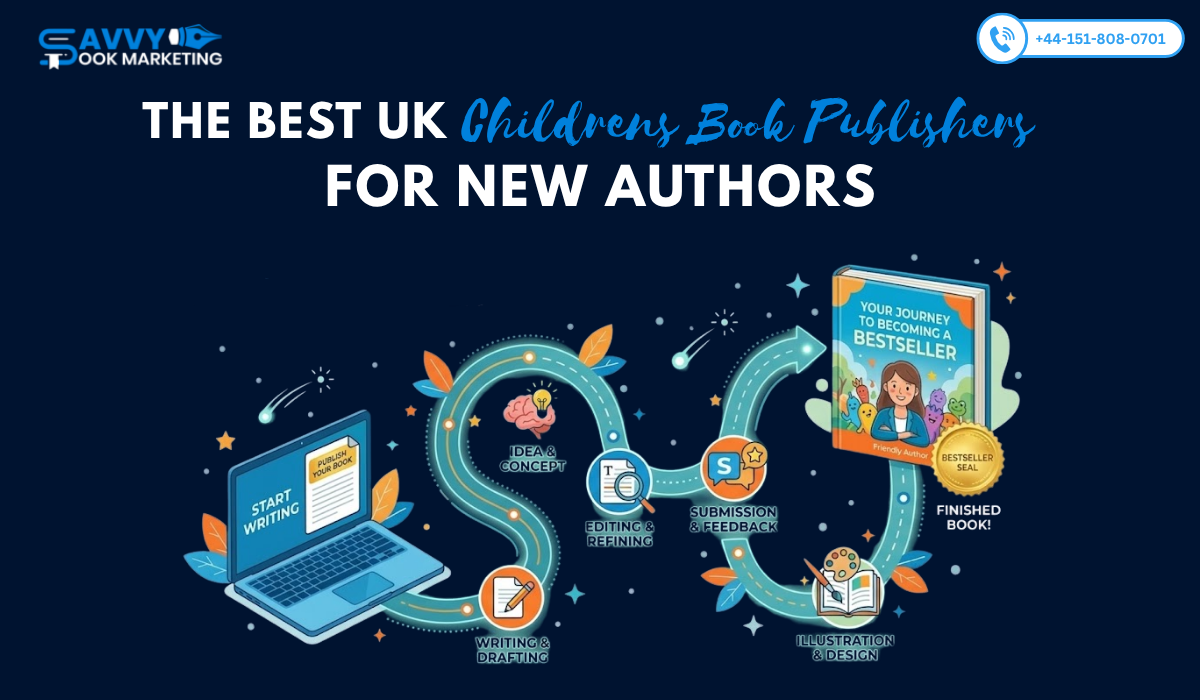
The process may seem complex at first, yet it becomes manageable when broken into clear steps: write well, edit professionally, illustrate beautifully, publish strategically and market consistently.
Whether you are exploring publishing children's books for the first time or comparing children's book publishers UK, the right support can save time and improve results.
And if you are searching for expert guidance beyond children's book publishers Manchester, Savvy Book Marketing UK is ready to help.
Your story could become the next treasured bedtime favourite. Start today.

Do you have a book that needs marketing? Our team has years of experience marketing books for Amazon Kindle and other platforms.
- Mailing Address: 49 Jamaica St, Liverpool L1 0AH, United Kingdom
About Us
Our Services
Disclaimer: The logo, name and graphics of Savvy Book Marketing and its products & services are the trademarks of Savvy Book Marketing. All other company names, brand names, trademarks and logos mentioned on this website are the property of their respective owners.
© 2026 - Savvy Book Marketing | All right reserved | Privacy Policy | Terms & Conditions